
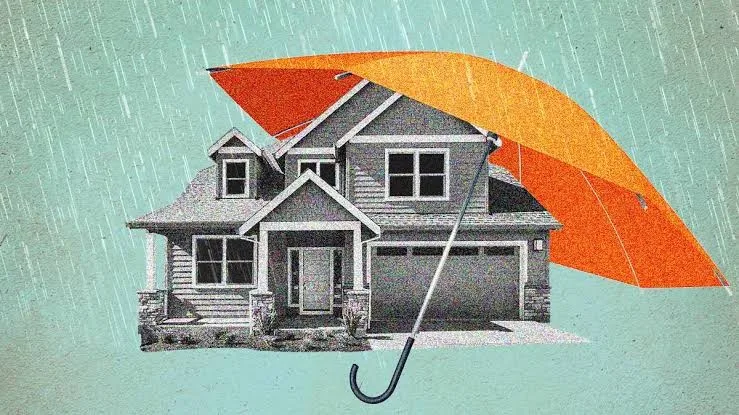
Owning a home in Burlington comes with many responsibilities, from maintaining the property and protecting valuable belongings to preparing for unexpected events. While no one can predict when damage or loss may occur, having appropriate insurance coverage can provide financial support when covered events affect your home. Understanding how home insurance works can make it easier to review your options and identify coverage that fits your property and circumstances.
A home insurance policy is generally designed to provide protection for more than just the physical structure of a house. Depending on the policy, it may also cover personal belongings, additional living expenses, and personal liability. For homeowners searching for a Home Insurance Company Burlington, taking time to understand these areas of coverage can help make the insurance selection process more informed.
What Does Home Insurance Typically Cover?
Home insurance can include several different types of protection. The exact coverage, exclusions, limits, and deductibles depend on the individual policy, so homeowners should carefully review their policy documents.
Common areas of coverage include:
- Dwelling coverage: Helps protect the insured structure of the home against covered damage.
- Personal property coverage: May help replace or repair covered belongings damaged or lost because of an insured event.
- Additional living expenses: May provide financial assistance for certain temporary living costs if a covered loss makes the home uninhabitable.
- Personal liability coverage: Can help with covered claims if the homeowner is legally responsible for injury or property damage to another person.
- Additional structures: Depending on the policy, detached garages, sheds, fences, or other structures may have coverage.
Understanding these categories is important because homeowners sometimes assume that every type of damage or loss is automatically covered. In reality, insurance policies have specific conditions, exclusions, and limits.
Protecting the Structure of Your Home
The physical structure of a home is often one of the largest financial investments a homeowner makes. Damage caused by certain insured events can result in expensive repairs, particularly when structural components, roofing, flooring, or built-in systems are affected.
Dwelling coverage is intended to address covered damage to the insured residence. However, the amount of coverage should reflect the estimated cost of rebuilding rather than simply the property’s market value.
For example, the cost of rebuilding a house can differ considerably from its resale price. Construction materials, labour, permits, demolition, and other expenses may all contribute to the total rebuilding cost.
Homeowners should review their coverage periodically, particularly after major renovations or improvements. Adding a finished basement, upgrading a kitchen, or completing other significant renovations may change the property’s insurance requirements.
Coverage for Personal Belongings
A home contains much more than walls, floors, and fixtures. Furniture, electronics, clothing, appliances, sports equipment, and other personal possessions can represent a significant financial investment.
Personal property coverage may provide protection for eligible belongings when they are affected by a covered loss. However, certain valuable items may have specific limits under a standard policy.
Items such as jewellery, collectibles, artwork, bicycles, or specialized equipment may require additional consideration. Homeowners should keep an inventory of valuable belongings and retain receipts, photographs, appraisals, or other documentation when appropriate.
A simple home inventory can be useful when making a claim because it helps establish what was owned before a loss occurred.
Understanding Personal Liability Coverage
Home insurance is not only about protecting property. Liability protection can also be an important part of a homeowner’s policy.
Accidents can happen unexpectedly. A visitor could become injured on the property, or a homeowner could unintentionally cause damage to another person’s property. Depending on the circumstances and policy terms, personal liability coverage may help with eligible legal expenses, settlements, or other covered costs.
Liability coverage can also extend beyond incidents that happen inside the home, depending on the policy. Because liability situations can become complicated, homeowners should understand their coverage limits and exclusions rather than assuming every situation is automatically protected.
Additional Living Expenses
A serious covered loss can sometimes make a home temporarily unsuitable for living. Repairs may take days or even months, depending on the severity of the damage.
When applicable under the policy, additional living expense coverage may help with certain necessary costs while the insured residence is being repaired. This could include eligible accommodation and increased living expenses resulting from the temporary displacement.
The specific limits and conditions vary between policies. Homeowners should understand how this coverage works before an emergency occurs.
What Homeowners Should Consider When Comparing Policies
Choosing insurance is not simply about finding the lowest premium. A policy should also provide coverage that is appropriate for the property and the homeowner’s circumstances.
When comparing options, consider:
Coverage limits: Make sure important areas of the property and belongings have appropriate limits.
Deductibles: A deductible is the amount the policyholder may need to pay toward a covered claim. Understanding how different deductibles affect premiums can help with budgeting.
Exclusions: Every policy has situations that may not be covered. Reading exclusions can prevent unpleasant surprises later.
Optional coverage: Some risks may require additional coverage or endorsements. Homeowners should ask questions about risks that are particularly relevant to their property.
Policy conditions: Certain policies require homeowners to take reasonable steps to maintain the property or report changes. Understanding these responsibilities is important.
Common Situations That May Require Extra Attention
Not every home has the same insurance needs. A standard policy may need to be reviewed when a homeowner has circumstances that could affect coverage.
For example, homeowners who operate a business from home should discuss whether additional coverage is needed. A home-based business may involve equipment, inventory, visitors, or liability exposures that are not fully addressed by a standard personal policy.
Similarly, homeowners who rent out part of their property should inform their insurance provider. Rental arrangements can affect the type of coverage required.
Renovations are another situation worth discussing. Major construction work can change the property’s risk profile and may require communication with the insurer before or during the project.
Preparing for the Unexpected
Insurance is only one part of protecting a home. Regular maintenance can also help reduce the likelihood or severity of certain problems.
Homeowners can take practical steps such as:
- Checking the roof and exterior for signs of damage.
- Maintaining plumbing and heating systems.
- Testing smoke and carbon monoxide detectors.
- Keeping important documents in a secure location.
- Creating an inventory of valuable belongings.
- Addressing small maintenance problems before they become larger issues.
- Reviewing insurance coverage after major home improvements.
These steps do not eliminate every risk, but they can help homeowners stay prepared.
Reviewing Your Policy Regularly
Home insurance should not be treated as a set-it-and-forget-it purchase. Life circumstances and properties can change over time.
A homeowner may renovate the kitchen, purchase expensive electronics, build a detached structure, or make other changes that could affect coverage needs. Personal circumstances can change as well.
Reviewing a policy periodically gives homeowners an opportunity to confirm that their coverage still reflects their current situation. It is also a good time to ask questions about deductibles, exclusions, limits, and optional protection.
Finding the Right Home Insurance Option in Burlington
Homeowners looking for a home insurance company in Burlington can benefit from comparing coverage carefully instead of focusing only on the price of a policy. The right option depends on factors such as the home’s characteristics, location, belongings, liability concerns, deductible preferences, and individual circumstances.
Solidify Insurance can help Burlington homeowners understand available home insurance options and review the types of coverage that may be relevant to their needs. Taking the time to understand a policy before purchasing it can make the insurance process clearer and help homeowners feel more prepared for unexpected events.
Conclusion
A home represents a significant investment, which makes understanding insurance coverage an important part of responsible homeownership. From the building itself and personal belongings to liability and temporary living expenses, different components of a policy can provide protection in different situations.
Rather than choosing a policy based solely on price, homeowners should consider coverage limits, deductibles, exclusions, optional protection, and changes to their property. Regular policy reviews can also help ensure that coverage continues to reflect current needs.
For Burlington homeowners, working with Solidify Insurance can be a useful way to explore available options, ask questions, and better understand the coverage associated with protecting a home.