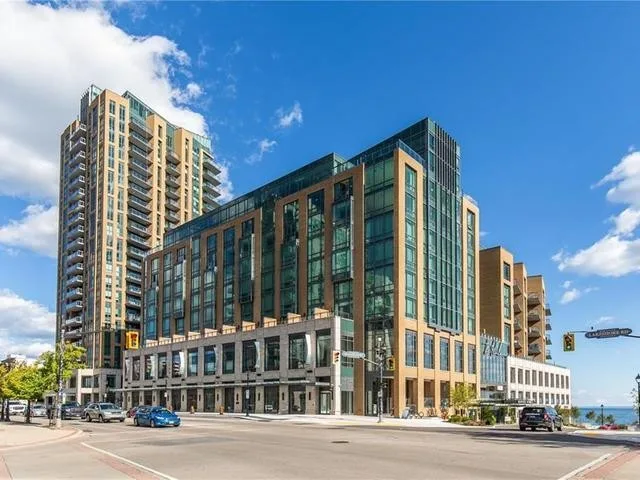

A home is often the largest investment a person makes in their lifetime. Beyond its financial value, it is where families grow, create memories, and build their future. That is why choosing the right Home Insurance Burlington policy is an essential part of responsible homeownership.
A home is one of life’s biggest investments, making it essential to have insurance coverage that aligns with the value of your property and the risks you may face as a homeowner. A basic policy may provide some protection, but understanding what is covered—and what is not—can make a significant difference when unexpected events occur.
From severe weather and accidental damage to theft and liability claims, home insurance serves as a financial safeguard that helps homeowners recover from costly situations. Whether you are purchasing your first home or reviewing your existing coverage, understanding the fundamentals of home insurance can help you make a more informed decision.
Understanding the Purpose of Home Insurance
Home insurance is designed to protect homeowners from financial losses caused by specific risks outlined in their policy. Without proper coverage, repairing property damage or replacing valuable belongings could require substantial out-of-pocket expenses.
Insurance provides a layer of financial protection that allows homeowners to recover more quickly after an unexpected incident. Instead of facing the full burden of repair or replacement costs, policyholders can rely on coverage that helps minimize the impact of major losses.
In addition to protecting the physical structure of a property, insurance can also provide coverage for personal belongings, legal liability, and temporary living expenses when a home becomes uninhabitable due to a covered event.
Why Burlington Homeowners Need Comprehensive Coverage
Burlington continues to attract families, professionals, and retirees because of its desirable neighborhoods, strong community atmosphere, and convenient location. However, like any city, homeowners face risks that can lead to costly property damage.
Ontario weather patterns have become increasingly unpredictable. Heavy rainfall, strong winds, ice storms, and sudden temperature changes can all affect residential properties. Even a small issue, such as a burst pipe, can result in thousands of dollars in repairs.
Property owners must also consider risks such as theft, vandalism, accidental fires, electrical issues, and personal liability claims. Having comprehensive coverage helps ensure these unexpected situations do not become financial emergencies.
Key Components of a Home Insurance Policy
Understanding the main elements of a policy can help homeowners select coverage that aligns with their property and lifestyle.
Protection for the Structure of Your Home
One of the most important parts of any policy is coverage for the physical building itself. This includes walls, roofing, flooring, attached garages, and other permanent structures on the property.
If your home is damaged by a covered event, your insurance policy can help pay for the repairs or rebuilding needed to restore the property. The goal is to restore the property to its previous condition without placing a significant financial burden on the homeowner.
Coverage for Personal Belongings
A home contains far more than furniture and appliances. Electronics, clothing, household items, and personal possessions often represent a considerable financial investment.
Insurance coverage for personal property helps replace these items if they are stolen, damaged, or destroyed by a covered event. Homeowners should periodically review their belongings to ensure coverage limits remain appropriate.
Liability Protection
Many homeowners underestimate the value of liability coverage until they need it. Liability protection can help cover legal expenses, medical costs, and settlements if someone is injured on your property or if you unintentionally cause damage to another person’s property.
For example, if a visitor slips on an icy walkway or a tree from your yard damages a neighbor’s property, liability coverage may help reduce the resulting financial exposure.
Additional Living Expenses
Certain incidents can make a home temporarily unsafe to occupy. During this period, homeowners may need alternative accommodation while repairs are completed.
Additional living expense coverage helps cover the extra costs you may face if a covered loss makes your home temporarily uninhabitable, including accommodation, meals, transportation, and other essential day-to-day expenses.
Common Insurance Claims Homeowners Face
Although every situation is unique, some types of claims occur more frequently than others.
Water Damage
Water damage remains one of the most common causes of insurance claims. Leaking appliances, burst plumbing, frozen pipes, and drainage issues can cause extensive property damage in a short period.
Regular maintenance and early detection can help reduce the likelihood of costly claims.
Fire and Smoke Damage
Even small fires can cause significant structural damage and smoke contamination. Insurance helps homeowners recover from these losses by covering repair and replacement expenses within policy limits.
Wind and Storm Damage
Strong winds can damage roofing materials, siding, fences, and outdoor structures. Seasonal storms can also lead to fallen trees and debris-related damage.
Theft and Property Crime
Although Burlington is considered a desirable community, theft and break-ins can still occur. Insurance coverage helps replace stolen items and repair damaged entry points such as doors and windows.
Factors That Influence Insurance Costs
No two homes are identical, which is why insurance premiums vary between properties.
Several factors commonly affect pricing:
- Age and condition of the home
- Construction materials used
- Replacement cost value
- Claims history
- Property location
- Security features
- Coverage limits selected
- Deductible amount chosen
Insurance providers evaluate these variables to determine the overall level of risk associated with a property.
Practical Ways to Lower Insurance Costs
Homeowners often ask how they can reduce premiums without sacrificing important protection.
Bundle Multiple Policies
Combining home and vehicle insurance with the same provider often results in discounts and simplified policy management.
Upgrade Home Safety Features
Installing monitored alarm systems, smoke detectors, smart leak sensors, and modern electrical systems can improve safety and potentially lower premiums.
Increase Your Deductible
A higher deductible typically reduces insurance costs. However, homeowners should ensure they have sufficient savings available to cover that deductible if a claim occurs.
Maintain Your Property
Routine maintenance can help prevent many common insurance claims. Addressing roofing issues, plumbing concerns, and drainage problems early may reduce future risks.
What Many Homeowners Overlook
One of the biggest mistakes homeowners make is assuming all policies provide identical protection. In reality, coverage details can vary significantly between insurers.
Some homeowners focus solely on price and overlook important policy exclusions, coverage limits, and optional endorsements. A lower premium may seem attractive initially, but insufficient coverage could become expensive when a claim occurs.
Taking time to understand your policy helps ensure there are no unexpected surprises during the claims process.
Choosing the Right Insurance Partner
Finding the right insurance provider involves more than comparing premiums. Homeowners should consider customer support, claims responsiveness, policy flexibility, and professional expertise.
A knowledgeable insurance advisor can explain available options, identify potential coverage gaps, and recommend solutions tailored to your specific circumstances.
At Solidify Insurance, clients receive personalized guidance designed to help them protect their homes, belongings, and financial future with confidence.
Final Thoughts
Your home represents years of hard work, financial commitment, and personal investment. Protecting it requires more than basic coverage—it requires a policy that reflects the realities of modern homeownership.
The right home insurance policy in Burlington can provide valuable financial protection against unexpected events while giving homeowners confidence that they are prepared for the future. By reviewing your coverage regularly, understanding potential risks, and working with experienced professionals, you can ensure your property remains protected for years to come.
Whether you are purchasing a new property or evaluating your current insurance, taking the time to make informed decisions today can help prevent costly challenges tomorrow.
Frequently Asked Questions
How much home insurance coverage do I need?
The amount of coverage depends on your home’s replacement value, personal belongings, and liability needs. An insurance professional can help determine appropriate limits.
Does home insurance cover natural disasters?
Coverage depends on the specific cause of damage and policy details. Certain events may require optional endorsements or additional protection.
Can insurance cover detached garages and sheds?
Many policies include coverage for detached structures, although limits and conditions may vary.
What should I do after property damage occurs?
Document the damage, take reasonable steps to prevent further loss, and contact your insurance provider as soon as possible.
Will home renovations affect my insurance policy?
Yes. Renovations can increase your home’s value and replacement cost, making policy updates important.
Is liability coverage important for homeowners?
Liability protection can help cover legal expenses and damages if someone is injured on your property or if you accidentally cause damage to another person’s property.
How often should homeowners review their insurance coverage?
An annual review is recommended, especially after renovations, major purchases, or significant life changes.
Can security systems help reduce premiums?
Many insurance providers offer discounts for monitored alarm systems, smoke detectors, and other protective safety measures.