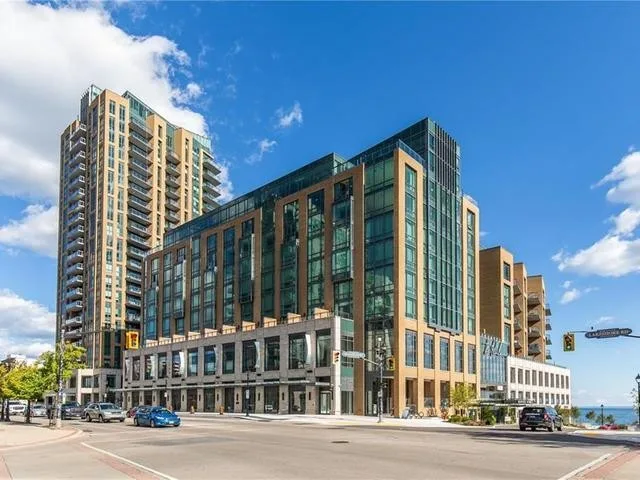

Owning a vehicle in southern Ontario comes with real responsibility — and that starts with understanding your coverage options. For anyone actively researching Car Insurance in Oakville, ON, the process involves more than picking the cheapest quote. It means evaluating the risks you face on local roads, understanding what each type of protection actually does, and making choices that hold up when it matters most.
Oakville sits at the heart of the Halton Region, a well-connected town where residential neighborhoods, major employment corridors, and busy arterial roads all share the same landscape. Its residents commute along some of the busiest corridors in the country—the QEW, Highway 403, and Trafalgar Road among them. High commuter volumes, unpredictable seasonal weather, and increasing vehicle values all shape the insurance landscape here. This guide is designed to cut through the confusion and help you build a policy that truly works for your lifestyle.
The Foundation: What Ontario Law Requires
Before exploring customizations, it helps to understand what is legally required of every registered driver in the province. Ontario mandates four core types of auto coverage, and no vehicle can be legally operated without them.
Third-Party Liability Protection
This is the cornerstone of any auto policy. If you cause an accident that injures another person or damages their property, third-party liability covers the legal and financial consequences. Ontario sets a statutory minimum for this coverage — but given the scale of personal injury awards in Canadian courts today, most advisors strongly recommend carrying well above that baseline. The cost difference between the minimum and a higher limit is modest; the protection gap is not.
Accident Benefits Coverage
This component pays out regardless of who caused the accident. It covers medical costs, physiotherapy, income replacement if you cannot work, and caregiver benefits if someone in your household depends on you. Many drivers underestimate how quickly these costs accumulate after even a moderate collision.
Direct Compensation – Property Damage (DCPD)
When another driver is determined to be at fault, DCPD allows you to deal directly with your own insurer rather than pursuing the other party’s company. This dramatically simplifies and speeds up the claims process. As of recent Ontario reforms, DCPD has transitioned into a direct compensation model—worth confirming with your broker how this affects your specific situation.
Uninsured and Unidentified Driver Coverage
Not every driver on Ontario roads carries valid insurance. This protection ensures you are not left without recourse if you are struck by someone who is uninsured or flees the scene without being identified.
Beyond the Minimum: Optional Coverage Worth Considering
Mandatory coverage protects others and sets a legal baseline for your own protection. Optional coverage is what you can use to build a policy that genuinely covers your financial exposure.
Collision Coverage
Pays for repairs to your own vehicle following an accident—whether you caused it, another driver did, or fault is shared. For vehicles under approximately seven to ten years old, this is typically considered essential rather than optional.
Comprehensive Protection
Covers damage that has nothing to do with collisions. Theft, vandalism, fallen tree limbs, flooding, hail, and fire all fall under “comprehensive.” In a region like Oakville, where lake-effect weather systems occasionally bring hail or freezing rain, this coverage carries real practical value.
Accident Forgiveness Endorsement
This add-on prevents a single at-fault accident from increasing your premium. It does not eliminate the claim from your record, but it removes the financial penalty associated with that first incident. For drivers with clean histories who want to protect their rate, this is one of the more affordable optional endorsements.
Rental Vehicle Reimbursement
When your car is in the shop following a covered claim, you still need transportation. This coverage handles the cost of a rental vehicle during the repair period — an expense that catches many drivers off guard when they are without it.
Ride-Share Endorsement
If you drive for platforms like Uber or Lyft even part-time, your standard personal policy may not cover you during active trips. A ride-share endorsement bridges that gap and ensures you are protected across all phases of a trip.
What Actually Drives Your Premium?
Insurance companies assess dozens of variables when pricing a policy. Understanding the key factors helps you anticipate your rate—and sometimes actively improve it.
Your driving history carries the most weight. At-fault accidents and traffic convictions can significantly raise your premium, while a multi-year clean record works in your favor.
The vehicle you drive matters more than many people realize. Repair costs, theft frequency, safety ratings, and parts availability all influence how insurers price a specific make and model.
Where you live and park affects rates because insurers assess regional claims data. Urban and suburban environments with heavy traffic and higher theft rates typically produce higher premiums than rural areas.
How much you drive is a factor that many policyholders overlook. Annual mileage has a direct bearing on your exposure to risk. If your driving habits have changed — perhaps due to remote work or a shorter commute — updating your mileage on file can lower your rate.
Your age and licensing history influence pricing, with newer and younger drivers typically paying more due to statistically higher accident involvement.
Practical Strategies to Reduce What You Pay
Cost savings on auto insurance are real and achievable—but they require active effort. Here is what you can use to meaningfully lower your premium without sacrificing important protection:
Bundling home and auto insurance with the same provider is one of the most consistently effective ways to reduce your overall insurance spend. Discounts in the range of 10–15% are common, and the simplicity of managing one relationship is an added benefit.
Switching to winter tires between November and April qualifies you for a mandated discount in Ontario. Every insurer must offer it by law. Beyond the premium savings, the safety improvement on icy roads is considerable.
Usage-based insurance (UBI) programs use a telematics device or smartphone app to measure your actual driving behavior—acceleration, braking, speed, and the hours you drive. Drivers who demonstrate safe, consistent habits can earn discounts of 20% or more.
Choosing a higher deductible reduces your monthly outlay, though it means a larger out-of-pocket contribution when you make a claim. This works well for drivers who have the savings to absorb a higher deductible and want to reduce their regular costs.
Reviewing your policy at renewal is perhaps the most underused strategy. Rates change, your circumstances change, and the market evolves. Staying with the same insurer without reviewing alternatives can mean paying more than necessary year after year.
Why Working With a Broker Changes the Outcome
A licensed insurance broker does not represent any single company. Instead, they work on your behalf to compare policies across multiple providers — bringing you options that reflect your specific profile rather than a company’s internal priorities.
This distinction matters significantly when you are shopping for car insurance in Oakville, ON. Rates vary widely between insurers for identical coverage. A broker identifies those gaps, explains the trade-offs in plain language, and helps you choose based on value rather than marketing.
At Solidify Insurance, the philosophy is straightforward: understand the client’s actual situation first, then find coverage that fits. That means asking about your commute, your household, your vehicle, and your history before making any recommendation. The goal is not to sell you the most comprehensive policy — it is to help you find the right one.
Key Moments to Revisit Your Coverage
Auto insurance is not a set-and-forget product. There are specific life events and circumstances that should prompt an immediate policy review:
- Purchasing or leasing a new vehicle
- Adding a newly licensed driver to your household
- Moving to a different address within or outside Oakville
- Paying off your vehicle loan
- Starting a new job with a significantly different commute
- Receiving a rate increase at renewal with no obvious cause
Each of these changes affects either your risk profile or your coverage needs — sometimes both. Staying proactive ensures your policy remains accurate and appropriately priced.
Common Oversights That Cost Drivers Money
Even experienced drivers make avoidable mistakes when it comes to managing their insurance.
Choosing a policy based solely on the lowest premium often leads to coverage gaps that become expensive at the time of a claim. Declining comprehensive coverage on a relatively new vehicle to save on premiums can result in thousands of dollars of uncovered loss after a single hailstorm or theft.
Failing to report life changes — a new driver in the home, an address move, a change in vehicle use — can create situations where a claim is disputed or partially denied. Keeping your insurer accurately informed is both a legal obligation and a practical safeguard.
A Final Word on Making a Confident Decision
The insurance market rewards those who stay informed and ask the right questions. Understanding what each coverage type does, knowing which factors drive your rate, and working with an advisor who puts your interests first are the three pillars of a strong insurance outcome.
For drivers navigating car insurance in Oakville, ON, the right policy is not the most expensive one on the shelf nor the cheapest. It is the one that accurately reflects your risk, covers your real-world needs, and is priced fairly against the current market.
Solidify Insurance is here to help you find that balance.
Frequently Asked Questions
Q1. What makes auto insurance rates in Oakville different from other Ontario towns?
Oakville’s proximity to major highways, its suburban commuter profile, and Halton Region’s specific claims history all contribute to how insurers price policies here. Even within Oakville, rates can vary by neighborhood postal code.
Q2. Is Ontario’s minimum third-party liability limit actually enough protection?
For most drivers, no. Legal awards in personal injury cases can reach into the millions. Carrying a higher liability limit than the provincial minimum typically costs only a modest amount more and substantially increases your financial protection in a serious claim.
Q3. Does a not-at-fault claim affect my premium in Ontario?
A not-at-fault accident generally should not raise your rate, though some insurers factor claim frequency into future pricing. It is worth confirming your insurer’s specific approach before a claim occurs—your broker can clarify this.
Q4. Can I reduce my premium if I am now working from home and driving less?
Yes. If your annual mileage has decreased, updating this on your policy can lead to a lower premium. Some insurers also offer pay-as-you-go or usage-based programs specifically suited to low-mileage drivers.
Q5. Do I need separate coverage if I lend my car to a family member occasionally?
In Ontario, insurance generally follows the vehicle rather than the driver, so a licensed family member using your car with permission is typically covered. However, if that person regularly uses the vehicle, they should be listed on the policy to avoid complications at the time of a claim.
Q6. What is the difference between collision and comprehensive coverage?
Collision covers damage resulting from an accident involving another vehicle or object. Comprehensive coverage includes non-collision events such as theft, weather damage, vandalism, or fire. Many drivers benefit from carrying both, particularly on newer or financed vehicles.
Q7. How does bundling home and auto insurance save money?
When both policies are held with the same provider, insurers typically offer a multi-policy discount — often between 10% and 15% — on one or both premiums. It also simplifies your paperwork and renewal process significantly.
Q8. How do I know if I am overpaying for my current policy?
The clearest way to find out is to compare your current coverage and rate against quotes from other providers. A licensed broker can do this on your behalf and flag whether your current rate is competitive or whether there is a better option available.